
Charity pioneer steps down after two decades dedicated to improving outcomes for brain tumour patients
A pioneering charity visionary, who has dedicated more than two decades to improving outcomes for children and adults diagnosed with brain tumours, is stepping down as a trustee and is taking on the role of charity ambassador.
Former chief executive of Brain Tumour Research, Sue Farrington Smith, 68, from Padbury near Buckingham, was awarded an MBE in the 2017 New Year’s Honours for services to brain tumour research and awareness-raising.
Co-founded by Sue, in 2009, with a vision to find a cure for brain tumours, Brain Tumour Research was already raising more than £1 million a year by 2013 and had raised £43 million by the time Sue retired as chief executive in 2023. Other extraordinary achievements with Sue at the helm included the establishment of five Centres of Excellence across the UK dedicated to research into the most common types of brain tumour and the charity becoming the leading voice of the brain tumour community in Parliament, across social media channels as well as national, regional and online media.
After undergoing radical treatment for low-grade abdominal cancer and retiring as chief executive, Sue became a trustee and then vice chair of the board of trustees.
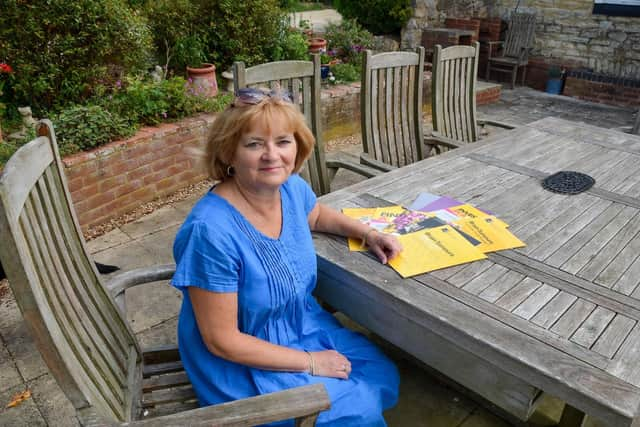

Explaining her reasons for moving to an ambassador role, Sue said: “I’m stepping down and becoming an ambassador, to look after myself and dedicate my time more fully to my other passions – my family and my church. However, I remain committed to the charity, our vision to find a cure for all types of brain tumours and our mission to increase the national investment in research into brain tumours, to bring parity with other cancers.
“I am very proud of all that we have achieved over the last 16 years and the eight years before Brain Tumour Research was founded. My passion will not wane – I will always be co-founder and will continue to support the next era of the charity’s growth as an ambassador and activist, and refer my network to Brain Tumour Research, as well as attend events, fundraise and donate.”
The catalyst for Sue’s astonishing determination to finding more effective treatments and ultimately a cure for the disease, which kills more children and adults under the age of 40, came about in 2000 when her niece Alison Phelan was diagnosed with an aggressive brain tumour. The family was shocked to find treatments extremely limited and survival prognoses so dire. Added to this, in the UK at the time, less than £1 million per year was being invested in research into brain tumours.
Ali’s brain tumour type – a brain stem glioma (now more commonly known as a DIPG) – is incurable with a prognosis of just nine to 12 months. Sue’s sister Julie lost her daughter Ali 10 months later, just three weeks before her eighth birthday.
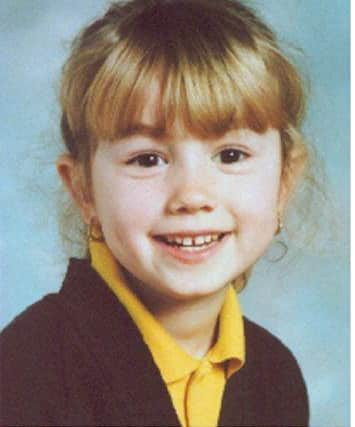
It led Ali’s family to set up the charity Ali’s Dream and Sue to meet with her local MP (then John Bercow) who was inspired to establish the All-Party Parliamentary Group on Brain Tumours (APPGBT) in 2005. Brain Tumour Research now holds the secretariat for the APPGBT and is committed to increasing the Government’s investment into research. Among many noteworthy successes in Sue and her team’s work towards the charity’s target of £35 million being invested each year, are the first e-petition on brain tumours in 2015, calling for Government funding to be increased to £30 million - £35 million per year; and two APPGBT Inquiry Reports, A Cost too much to Bear in 2018 and Pathway to a Cure in 2023, authored by Sue.
Sue said: “I felt so helpless when we were losing my beloved niece Ali. At that time, brain tumours were the third biggest killer of children in this country, behind leukaemia and accidents, and more than 80% of children diagnosed with a brain tumour, would not survive beyond five years.
“By the time Brain Tumour Research was established in 2009, in collaboration with a number of other brain tumour charities including Ali’s Dream, brain tumours had become the biggest cancer killer of children and adults under the age of 40, having overtaken leukaemia. It was thanks to the massive work of charities like Children with Leukaemia (now Children with Cancer) that survival from leukaemia became so vastly improved – going from 20% surviving five years to 80%. We remain convinced that, with substantial levels of investment, we can produce the same success for brain tumours.”
Rob Hughes, chair of the board of trustees at Brain Tumour Research, who has been alongside Sue for most of her brain tumour journey since losing his daughter Anna in 2006 inspiring him to set up Member Charity Anna’s Hope, said: “We are deeply grateful to Sue for her incredible legacy, inspired by her niece Ali and the shock of finding she had been diagnosed with a disease she couldn’t survive.
“Thanks to Sue’s pioneering vision to establish dedicated Centres of Excellence, the charity has brought together world-class researchers who are committed to understanding the complexities of brain tumours and developing more effective treatments. Every pound raised helps us sustain this critical research and brings us closer to finding a cure. As Sue would say, without increased investment, we risk losing the momentum we’ve built in uncovering the breakthroughs patients and families so desperately need.”
If you have been inspired by Sue’s incredible journey and contribution to the brain tumour cause, please donate to www.justgiving.com/page/sue-farrington-smith-1682453902610