
Rare Disease Day: Charity pushes for earlier recognition of PSP & CBD with national clinician training drive
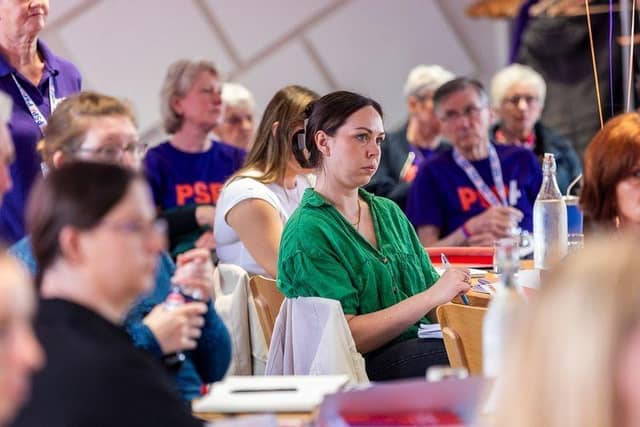

As the world marks Rare Disease Day, Milton Keynes based charity PSPA is calling for greater awareness of two little‑known neurological conditions — Progressive Supranuclear Palsy (PSP) and Corticobasal Degeneration (CBD) — warning that delays in diagnosis continue to have profound consequences for families.
PSPA says uptake of its professional Masterclass series, an online training programme designed to improve clinical understanding of the conditions, shows growing recognition that rare diseases require more specialist knowledge across the NHS. More than 1,500 healthcare professionals accessed the sessions in 2025, reflecting what the charity describes as a “moment of opportunity” for better, earlier identification.
Often mistaken for more common diseases such as Parkinson’s or Alzheimer’s, PSP & CBD remain among the most frequently misdiagnosed neurological disorders. These diagnostic delays can leave families navigating months, sometimes years, without access to the right support.
“Early recognition really changes the trajectory for families,” Carol Amirghiasvand at PSPA said. “Clinicians want more tools, more clarity, and more confidence. Our Masterclasses are meeting that need.”
The charity’s data shows its training is already shifting practice:
Confidence boost: Attendees report feeling more equipped to spot atypical signs and symptoms.
Clearer pathways: Professionals say they now better understand the multidisciplinary approach required.
Immediate implementation: Mobility, communication and eye‑care strategies are being used in clinics straight away.
One clinician described the programme as “incredibly informative,” adding that guidance on symptoms had made them “much more confident to look for signs that fit an atypical diagnosis.”
On the back of increasing demand, PSPA has confirmed a new run of CPD‑accredited Masterclasses for 2026. The first session, The Impact of PSP & CBD on Cognition and Mental Health, will take place on 25 March at 6.30pm, led by Dr Susan O’Connell, Consultant Clinical Psychologist at Queen Elizabeth University Hospital, Glasgow.
The session will explore:
- Early clinical signs across motor and non‑motor domains
- Key differences between PSP, CBD and more common neurological conditions
- How multidisciplinary teams can deliver better‑coordinated care
Rare Disease Day aims to confront the “diagnosis odyssey” faced by millions worldwide. PSPA says its work is part of that mission, ensuring clinicians, regardless of location or specialty, can access high‑quality rare disease education.
“People with PSP & CBD deserve the same standard of timely, informed care as anyone with a more common condition,” Carol adds. “This programme is about levelling that playing field.”
Healthcare professionals can sign up for the upcoming session or watch recordings of previous modules via the PSPA website:
Register for the March Masterclass:
Sign up for monthly professional updates and resources: