
Heroes bring man back from brink of death after he collapsed with heart attack after playing tennis at David Lloyd in Milton Keynes
A man who collapsed with a heart attack after playing tennis at the David Lloyd Club at Milton Keynes owes his life to five live-saving heroes who brought him back from the brink of death.
Now the five have been awarded top national life-saving honours for their fight to save the man during the incident on the afternoon of 27 October last year.
Club employees, Daisy Fisher (Duty Manager) Marie Kay, Natasha Yallop, Andrew Townley (Operations manager) and Estelle Randle a Community First Responder for South Central Ambulance NHS Trust, are all to receive Royal Humane Society Resuscitation Certificates.
The man who collapsed had just finished playing tennis and complained of a tight chest, feeling dizzy and pain going down his arm. He then collapsed.
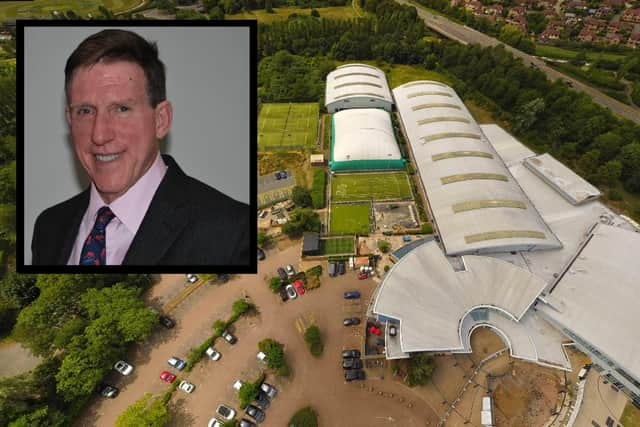

An ambulance was called and Estelle Randle, went to the club where she found the man outside on a patio in cardiac arrest. Daisy Fisher had already attached a defibrillator to him and the other three were administering cardiac pulmonary resuscitation (CPR).
Ms Randle checked him over and three shocks were then delivered from the defibrillator with the result that the man regained a pulse and was breathing again by the time an ambulance arrived. He was airlifted to hospital and by the time he arrived, thanks to the treatment he had received at the club he had regained full consciousness.
In addition to the awards the five life-savers are to receive they have also won the personal praise of Andrew Chapman, Secretary of the Royal Humane Society.
“Their rapid response undoubtedly saved the man’s life,” he said. “They were the right people in the right place at the right time and worked superbly together as a team. They did a brilliant job and richly deserve the awards they are to receive.
“This is another of many cases we see which emphasise the value of as many people as possible, not just members of the emergency services, learning how to administer CPR. It can, as it did in this case make the difference between life and death.”
The roots of the Royal Humane Society stretch back nearly 250 years. Other than awards made by the Crown it is the premier national body for honouring bravery in the saving of human life.
It was founded in 1774 by two of the day's eminent medical men, William Hawes and Thomas Cogan. Their primary motive was to promote techniques of resuscitation.
However, as it emerged that numerous people were prepared to put their own lives at risk to save others, the awards scheme evolved, and today a variety of awards are made depending on the bravery involved.
The Society also awards non health care professionals who perform a successful resuscitation. Since it was set up the Society has considered over 90,000 cases and made over 220,000 awards. The Society is a registered charity which receives no public funding and is dependent on voluntary donations.