
South Central Ambulance improves its emergency response process according to new watchdog report
A new report has recorded improvements to the way the ambulance service covering Buckinghamshire operates.
Findings released by the Care Quality Commission (CQC) on Friday showed a marked improvement in the way the South Central Ambulance Service responds to emergencies.
The national healthcare watchdog has raised the South Central Ambulance Service NHS Foundation Trust’s emergency operations centre (EOC) from requires improvement to good. It has also re-ranked its emergency and urgent care service from inadequate to requires improvement overall.
New ratings are based on inspections the CQC carried out in May, analysing the ambulance service which looks after six million patients and covers Buckinghamshire, Berkshire, Oxfordshire, and Hampshire.
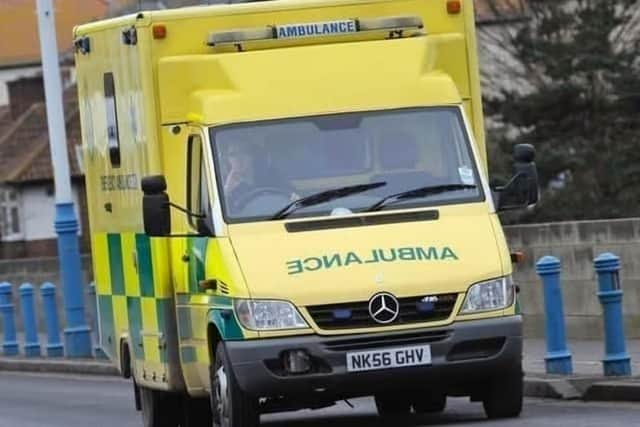

Previously, a warning notice was handed out to the service after an inspection, but the most recent assessment found has now met the requirements laid out in the notice.
Amanda Williams, CQC deputy director of hospitals, secondary and specialist care in the South East, said: “When we inspected South Central Ambulance Service NHS Foundation Trust, we were pleased to find the service had made important improvements since our last inspection, and that the requirements of the warning notice we previously issued had now been met.
“In the two emergency operations centres, we found staff understood the emotional impact that delays had on people’s wellbeing. They were well trained and responded professionally to help people receive the care they needed. The service was performing well at answering 999 calls, and staff could access interpretation services in 240 languages to support people.
“In emergency and urgent care, we saw leaders had introduced an innovative ‘release to respond’ initiative, which enabled ambulance crews to safely leave hospital emergency departments within a 45-minute window, allowing them to respond to people in the community. This initiative made a significant difference to response times. The time taken to reach someone who called 999 with an emergency dropped from 38 minutes in October 2024 to 22 minutes by March this year.
“However, there are still areas for development. We found the service didn’t always manage medicines safely. Ambulances sometimes went out without morphine to treat people in pain. The pharmacy team was aware of the issue and had written guidance to address it, but this still hadn’t been implemented months after the concern was raised. As a result, people didn’t always receive the pain relief they needed.
“Despite expanding its freedom-to-speak-up team and appointing champions, the trust still left some staff feeling unable to raise concerns. This lack of openness can harm the quality of care, so the trust must continue to improve its culture.
“The trust should look to build on these improvements we’ve seen and we’ll continue to monitor the trust to ensure this happens.”
Inspectors noted that ambulance crews treated people with kindness and compassion and explained what was happening in ways people could understand. Staff have a 96% completion rate when it comes to safeguarding training.
Another positive was the trust’s recruitment process where all roles are staffed with qualified and experienced personnel, while the service has sickness and turnover rates below NHS averages.
The service works closely with other emergency response groups such as the fire service and police force.
Inspectors found fault with the way the service stocked ambulances which according to the CQC were often overfilled with disposable equipment. The service didn’t list medicines-management training as mandatory, according to the report.