
Steel is ‘top choice’ material for wastewater treatment infrastructure - here’s why

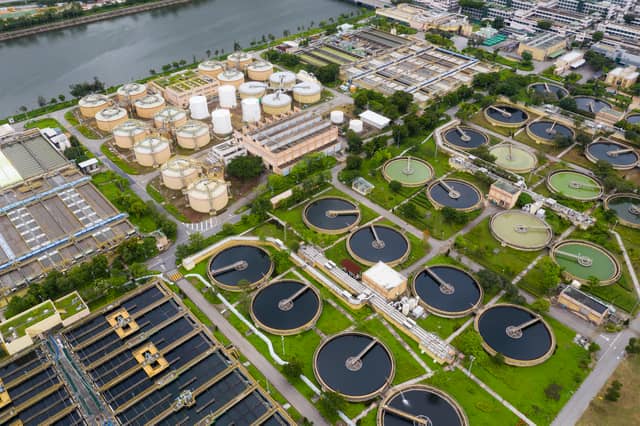

Waste water treatment is crucial to safeguard the environment and human well-being.
In the UK, the average person produces around 150 litres of wastewater daily, with toilet flushing being the largest contributor.
As global urbanisation and industrialisation continue to grow, our wastewater systems are becoming increasingly strained and require more innovative engineering and material solutions for their treatment.
Wastewater treatment plants help filter water, removing harmful particles and substances from the environment, and the expectation to do this while maintaining efficient and clean operations usually means wastewater treatment plants must have reliable and long-lasting infrastructure.
Why stainless steel?
Stainless steel is known for its corrosion resistance and durability.
It performs well in the harsh environments typical of treatment plants - where temperature fluctuations and constant moisture are common.
Its long lifespan and minimal maintenance needs make it ideal for demanding applications and it doesn’t rust.
Stainless steel is used extensively in components like pipelines, tanks, filtration systems, and valves - and these systems must handle high-pressure water flow and operate continuously with minimal downtime.
The strength and reliability of stainless steel help ensure smooth, long-term operation with fewer breakdowns or repairs.
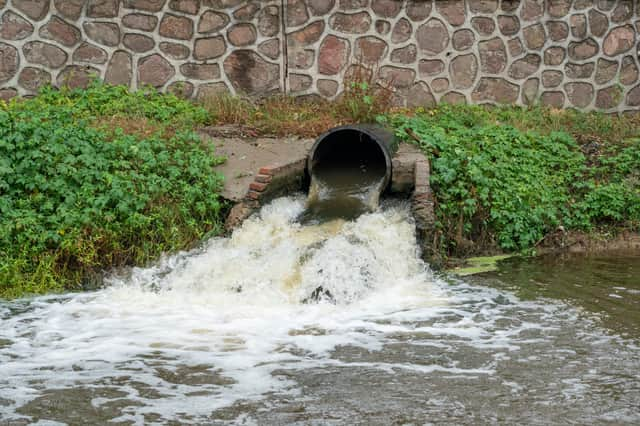
Looking ahead
As technology evolves, stainless steel profiles are expected to play an even greater role in next-generation wastewater treatment facilities.
Steel profile specialists Montanstahl are at the forefront, supplying specialised steel sections tailored to the needs of this sector.
These customised profiles help build systems that can manage higher volumes of wastewater while improving efficiency, sustainability, and durability.
Future wastewater treatment plants will require not just advanced technologies but also high-performance materials.
Stainless steel - already a backbone of current systems - is poised to remain a vital component in creating more resilient and environmentally responsible infrastructure.