
Council explains how your smelly black sack waste is converted to valuable gas in Milton Keynes
The process of turning MK’s massive waste mountain into precious fuel has been explained by city council experts.
Households in Milton Keynes generate a mammoth 133,000 of black sack waste each year and for the past few months not a single scrap of it has been sent to landfill.
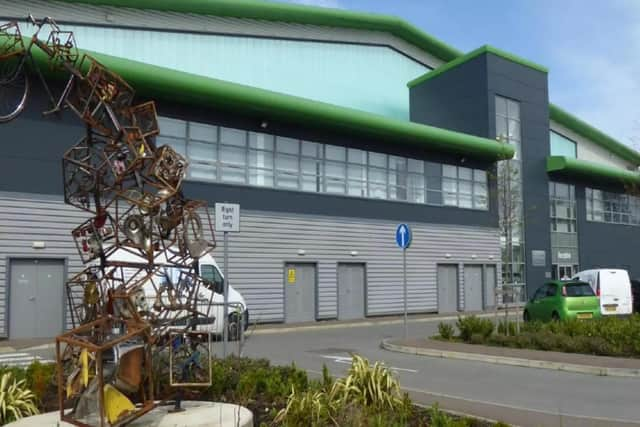
Instead, the rubbish goes through a ‘gasification’ process at the purpose-built Waste Recovery Park in Old Wolverton’s Dickens Road. And it’s eventually turned into enough electricitiy to power 11,000 homes – almost 10% of the total in MK.
The council also uses some of the power to run its state-of-the-art fleet of electric trucks that collect the waste in the first place.
New research shows incinerating household rubbish is the UK’s dirtiest way to make power. Gasification is far greener and more efficient than incinerators, which power turbines that make electricity by burning waste.
The process takes place in a gasifier, which is a vessel that operates at high temperatures and pressures. The gasifier contains oxygen or air, and steam, which are used to react with the feed material.
At the Old Wolverton facility, all waste that can’t be recycled goes through this process to create a synthetic gas, known as syngas.
Syngas is extremely versatile as a fuel and can be used across a number of different industries. It’s often used in the process of power generation, as it can be burned in gas turbines as a cleaner and more efficient way to produce electricity.
And because it does not need fossil fuels, it creates far fewer pollutants and greenhouse gases.
The Recovery Park also treats waste mechanically to extract metals and plastics for recycling and creates helpful compost through anaerobic digestion.
The city council spent millions building Waste Recovery Park 10 years ago as part of its commitment to sustainability. It typically diverts more than 99% of what Milton Keynes throws away from landfill, but in the last quarter no waste has been sent to landfill at all.
Milton Keynes has a long history of environmentally friendly initiatives. In 1992, it became the first place in the UK to collect recycling from the kerbside. Last year, the city council rolled out red and blue recycling bins in a nod to its historic red and blue box system.
Since then, recycling rates have risen by more than a third, zooming Milton Keynes up the ranks of the cities that recycle most across England, and bucking the trend that councils in the UK are recycling less and incinerating more. In MK, around 65% of waste is currently recycled. The English average is around 44%.
Councillor Jenny Wilson-Marklew, Cabinet member for Waste and Recycling, said: “Yet again, Milton Keynes is leading the way for greener and cleaner initiatives. We believe in reuse and recycling, but where that isn’t possible, we’re able to divert waste from landfill without the need for incineration.
"Your council thought ahead to invest in sustainable technology ten years ago, and we did it again last year by modernising our weekly waste collections. We’ll keep innovating so our city can keep making a positive contribution to tackling climate change.”