
Swarms of ladybirds spotted in Milton Keynes this week - and this explains why
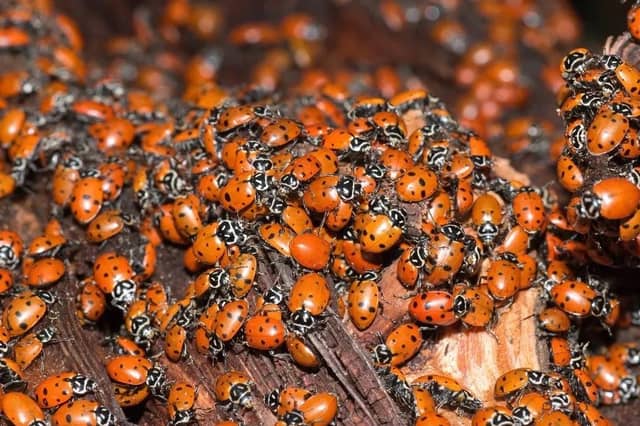

People all over Milton Keynes have noticed a freakish number of ladybirds in their homes and cars this week.
Readers have described seeing dozens on the tiny creatures settling on their walls and floors or flying about in swarms over the past few days.
Now experts have explained the reasons behind the sudden surge and urged people not to panic.
They say the warm and sunny weather in early October has prompted the insects to start their annual autumn migration and search for somewhere warm and sheltered to spend the winter.
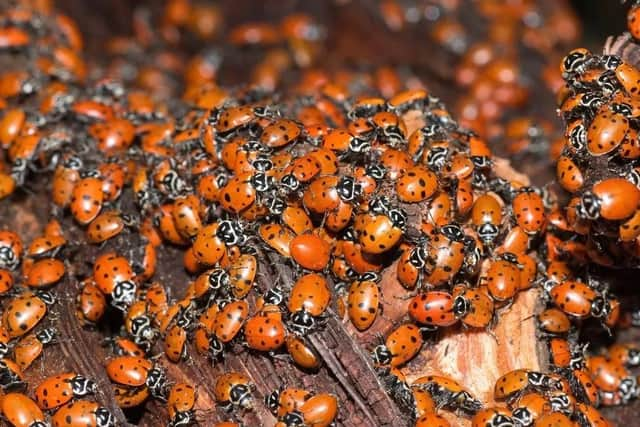
Ladybirds are vital insects and incredibly beneficial as a form of natural pest control and should be welcomed in gardens. However, large numbers of them can also squeeze into houses through tiny openings around poorly sealed windows in search of their perfect spot – an undisturbed area preferably piled with clutter.
Experts say cleaning and tidying can be a deterrent, as can the use of citrus, clove or bay leaf scents, but they are urging people not to kill or harm the creatures.
Professor Tim Coulson, science author and biologist at the University of Oxford, told the Daily Mail: 'They are looking for somewhere to lay low over the winter.
“They sleep through the winter through in what is known as diapause, a bit like insect hibernation. They slow their metabolism right down to minimise energy use.
In the wild they chose places like under bark in a pile of leaves, anywhere providing a bit of shelter and away from things that might eat them.
"Sometimes they might come into houses looking for a safe haven.”
Professor Coulson added: “Predators, like ladybirds, are incredibly important components of ecosystems. Take away predators, and all hell breaks loose.
“We should cherish our ladybirds! Definitely do not kill the ladybirds as they keep the numbers of pest species down...Much better to have ladybirds than to spray crops with insecticides to kill the aphids.”
Ladybirds can bite or pinch, although their mouthparts are small and often too weak to break the skin. This results in no more than a minor irritation, say the experts.