
Opinion: Green spaces, redways, and wellbeing: How Milton Keynes’ design affects our mental health

When people think of Milton Keynes, the first things that come to mind are often the grid roads, the roundabouts, or the shopping centre. But those who live here know there’s more to this city than meets the eye.
Milton Keynes is unique in how it was designed — not only as a practical place to live, but as one filled with green spaces, lakes, and pathways connecting communities. What many of us might not realise is that this design has a very real impact on our mental health and sense of wellbeing.
A city built with wellbeing in mind
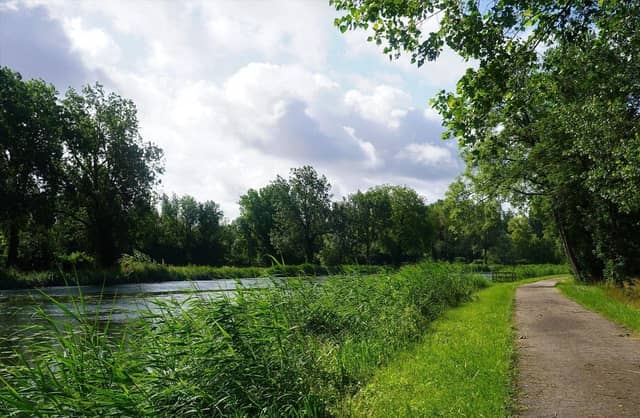
Unlike many towns and cities that grew organically over centuries, Milton Keynes was planned. From the start, green space was prioritised. Almost 40% of the area is parkland, lakes, and woodland. The redway system of cycle and pedestrian paths allows people to move around without always needing to drive, and there are countless quiet spots to pause, walk, or reflect.
This access to nature matters more than we might think. Research shows that spending time outdoors can lower stress, reduce symptoms of anxiety and depression, and improve overall mood. For those of us living in Milton Keynes, the abundance of natural spaces offers daily opportunities to benefit from this — whether through a lunchtime walk at Campbell Park, a family outing to Willen Lake, or simply noticing the trees on the school run.
Why green spaces support mental health
Being in nature has been linked to lower levels of cortisol, the body’s stress hormone. It encourages mindfulness — the act of being present — because our senses naturally engage when we notice birdsong, feel the breeze, or watch ripples on water. For many people I work with, these small moments of connection with the natural world can be grounding when life feels overwhelming.
Green space also gives us the chance to move our bodies gently. Not everyone feels able to run or take part in structured exercise, but walking on the redways or sitting by the Grand Union Canal can provide the same restorative benefits. Movement in nature can help release tension, improve sleep, and create space for reflection — all of which are crucial for mental wellbeing.
Community and connection in a growing city
Milton Keynes is one of the fastest growing cities in the UK. With constant new developments, schools, and businesses, it can sometimes feel transient or hard to find a sense of belonging. The parks and lakes often act as shared spaces that bring people together. Parkruns, outdoor yoga, or simply seeing familiar faces while walking the dog help to build a sense of community.
For people who feel lonely or disconnected — something I hear often in counselling — these shared spaces can become gentle gateways into connection. Even small interactions, like a smile from someone passing on a redway, can remind us that we are not alone.
How the design of the city mirrors our inner world
The structure of Milton Keynes — with its balance of busy urban areas and quiet green spaces — can be seen as a reflection of what many of us need in life. We all juggle busyness, responsibilities, and the demands of modern living, but we also need places of stillness where we can pause and catch our breath.
In counselling, this balance is important too. Sessions provide a calm, non-judgemental space — much like the quiet corners of Campbell Park or the tree-lined paths by Willen Lake — where people can slow down, reflect, and process what is happening in their lives. Just as green spaces in MK were intentionally designed, the counselling relationship is a space intentionally held for someone’s growth, healing, and exploration.
Coping with change and transition
Living in Milton Keynes means living in a place that is always changing. New estates appear, roads expand, and the skyline shifts. For many, this echoes the changes in their personal lives — whether moving to the area, starting a new job, or navigating family transitions.
Change can feel unsettling, even when it’s positive. Counselling can help people explore how they are adjusting, what supports them, and where they might feel stuck. And sometimes, just as people find comfort in walking the familiar paths of the redways, therapy can offer a steadying presence during times of uncertainty.
Making the most of what MK offers
One of the encouraging things about Milton Keynes is how accessible its green spaces are. For those struggling with mood, stress, or feeling disconnected, even small steps can make a difference. It might mean spending ten minutes outside on a lunch break, noticing the changing seasons, or choosing to walk instead of drive for a short trip.
In therapy, I often explore with people what small, sustainable actions help them feel more grounded. Sometimes it’s journaling, sometimes it’s reaching out to a friend, and often it’s simply giving themselves permission to pause. For many, incorporating time outdoors in MK is part of that.
A reminder of resilience
Perhaps one of the most striking features of Milton Keynes is how nature has flourished alongside the city. Trees line the roads, wildflowers grow by the verges, and lakes attract wildlife. For me, this is a reminder of resilience — the ability of life to find a way, even in built-up spaces. Many people who come to counselling are searching for that same resilience in themselves. With the right support, it’s possible to reconnect with that inner strength and adaptability.
Final thoughts
Milton Keynes is sometimes underestimated — dismissed as “just roundabouts” or a “new town.” But its design offers something powerful: space. Space to breathe, to move, to connect, and to reflect. These are the same qualities that support emotional wellbeing and are at the heart of the counselling process.
Whether walking through Campbell Park, cycling a redway, or sitting quietly by Willen Lake, the city holds places where we can pause and come back to ourselves. Just as Milton Keynes was designed with intention, so too can we create intentional spaces in our own lives — with the help of counselling or simply by noticing the green spaces around us — that allow us to heal, grow, and feel more at peace.