
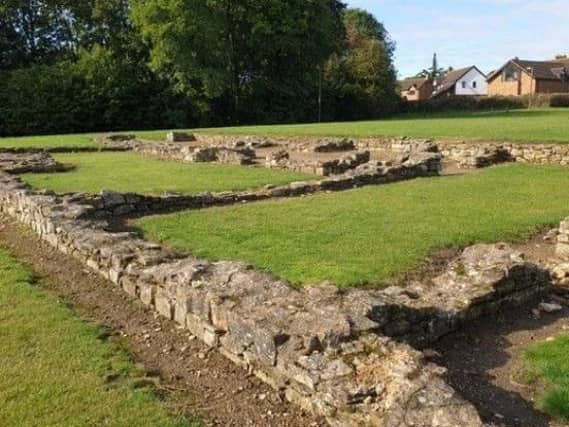

Milton Keynes may be a new town but it is steeped in ancient history.
Over the years, as more and more land has been prepared for development, there have been numerous fascinating archaeological finds - some of which are now held in the British Museum.
Evidence of settlements dating back to Roman and Medieval times have been uncovered, as well as stashes of treasures including early gold coins.
For an insight into the history of MK, read on.
5.
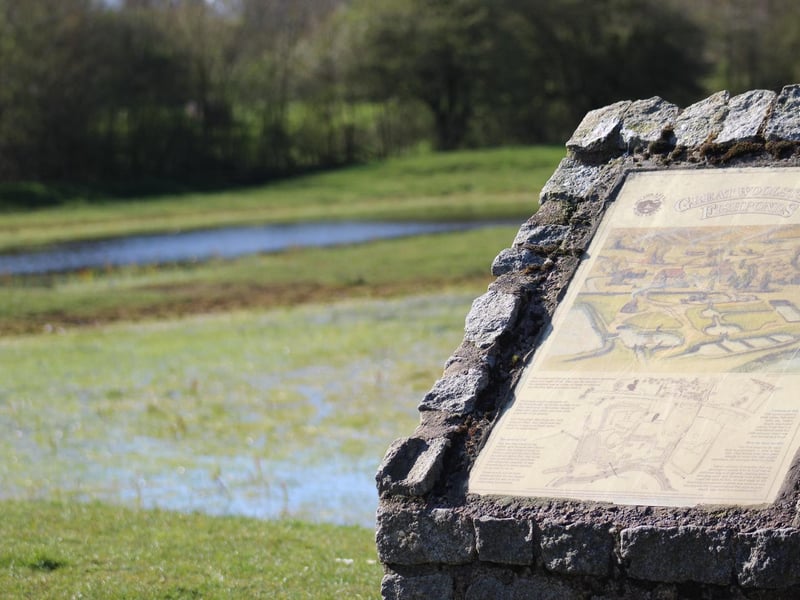
A shrunken village dating back to medieval times was discovered in parkland at Woughton on the Green. It is unclear as to why the medieval village was abandoned, but you can see the remains of small garden crofts, house platforms and back alleys. Ridge and furrow evidence show signs of early ploughland with a distinctive S-curve. Nearby is St. Mary's church, the only surviving medieval building in Woughton.
6.
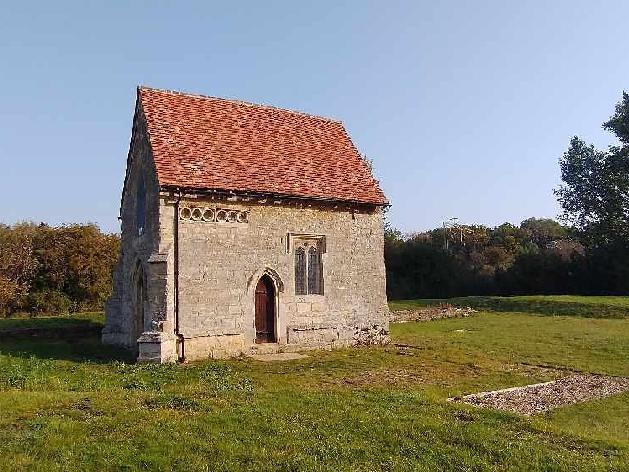
The oldest building still standing in Milton Keynes is thought to be Bradwell abbey, which dates back to 1154 when 181 hectares of land was granted to Meinfelin (Lord of Wolverton) to build a Benedictine priory. All that remains today is the 14th century Pilgrim Chapel of St Mary. Built in around 1330, the chapel was dedicated to 'Our Ladie of Bradwell' was built against the west front of the church. This was, it is thought, in due to the discovery of healing properties of a statue of the Virgin Mary displayed in a niche on the church wall.
7.
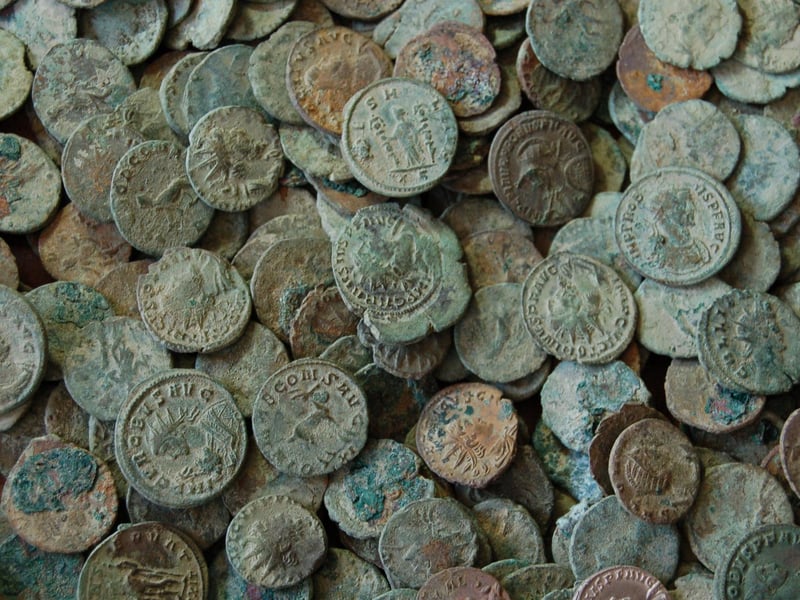
In July 1962, a Romano-British hoard of coins was found in Little Brickhill, close to Watling Street. There were 251 loose coins and around 400 more which were corroded and stuck together. The coins, dated 360–365, were handed to the Bletchley Archaeological Society. Other treasure troves of similar coins were also discovered in Little Brickhill in 1967 and 1987.
8.
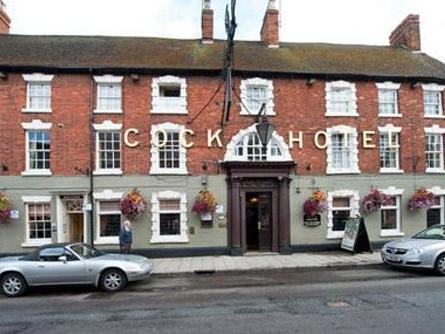
Stony Stratford is steeped in history. I formally became a town when it received letters patent from King John in 1215. In 1290, an Eleanor cross was built in the town in memory of the recently-deceased Queen Eleanor of Castile, as her funeral cortège had stopped overnight there on route to London. Stony Stratford is even mentioned in Shakespeare (Richard III, Act 2 Scene 4), when Richard Duke of Gloucester (later Richard III) finds out the location of the young King Edward V and his brother, the Duke of York. Edward was arrested in Stony Stratford, taken to the Tower of London and never seen again. Two pubs in the town also sparked the famous 'Cock and Bull story' saying. Dating back to the late 18th century, the two adjacent coaching inns were a popular stop-off point for travellers, and rapidly developed a rivalry as to which could furnish the most outlandish and scurrilous travellers' tales.