
Inquest finds missed opportunities after death of grandmother who was treated at Milton Keynes University Hospital
An inquest into the death of a 71-year-old grandmother found a series of missed opportunities to identify and treat a developing infection, led to her death from septic shock.
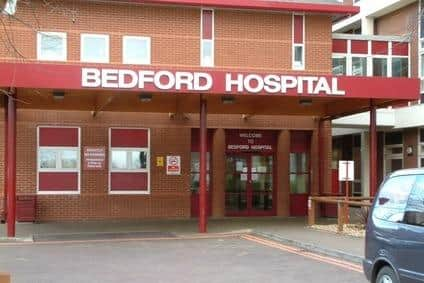
Suzanne Edwards, of Leighton Buzzard, died at Bedford Hospital on December 1, 2024, less than 24 hours after undergoing emergency surgery to treat sepsis caused by an obstructing kidney stone.
The inquest, held at Milton Keynes Coroner’s Court, concluded yesterday (July 24), with senior coroner HM Tom Osborne returning a narrative verdict.
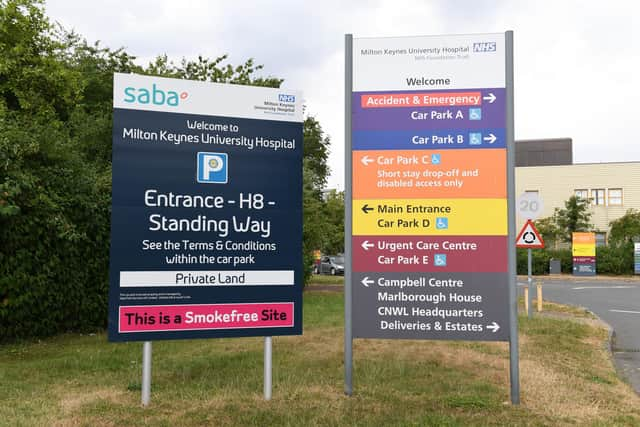
He noted that despite actions at each stage of Mrs Edwards’ care being appropriate, which included a stay in the Accident and Emergency Department at Milton Keynes University Hospital, there was a failure to recognise signs of a urinary tract obstruction - leading to missed opportunities to treat her condition before sepsis developed.

On Friday, 29 November 2024, Mrs Edwards visited her GP with abdominal pain and vomiting. The GP arranged urgent blood and urine tests and considered the possibility of a kidney stone.
However, no same-day referral or hospital review was made despite the results not being expected back until after the weekend.
Later that day, she attended A&E at Milton Keynes University Hospital with worsening symptoms.
Despite abnormal blood and urine results that were indicative of systemic inflammation and dehydration, she was diagnosed with gastroenteritis and discharged with safety netting advice.
Overnight and the following day, Mrs Edwards’ condition deteriorated further, prompting her family to call NHS 111. She was directed to an urgent care centre and transferred to Bedford Hospital.
There, clinicians identified a 7mm obstructing stone in her urinary tract and sepsis. She underwent emergency surgery to insert a stent to relieve the blockage, but despite post-operative care in the intensive care unit, she died later that evening from septic shock.
The coroner raised serious concerns about the inability of the emergency departments to access GP records, stating that had clinicians seen the GP’s notes from Mrs Edwards’ appointment on November 29 referencing a suspected kidney stone, it may have “altered the treatment she received and could have changed the outcome”.
The coroner also issued a prevention of future deaths report, citing critical concerns about communication failures between GP and hospital services in Bedfordshire.
He stated: “I believe this issue could result in further unnecessary deaths and something should be done about it.”
Speaking after the inquest, daughter Stacey Edwards said: “My mum was the heart of our family - full of warmth, compassion and humour. It’s devastating to know that her death may have been avoided if the signs of sepsis had been recognised sooner.
“When she visited her GP on Friday, she was so unwell she used a wheelchair. She had no energy and was clearly not herself. After she was taken to A&E, we were told it was likely gastroenteritis.
“She was given IV fluids and pain relief, but she was still in pain and struggling. There was very little communication from doctors at that point and when she was discharged, we were simply told to come back if symptoms returned.
“She could barely walk back to the car. At home, things got worse. She was sick multiple times, had no appetite and could hardly move.
“Still, because she’d been examined by medical professionals, we thought she just needed time to recover.
“The next day, it was clear something was seriously wrong. When we arrived at the urgent care centre, a doctor immediately recognised how unwell she was.
“At Bedford Hospital, she was taken into surgery on the Sunday morning, but no one warned us it might be life-threatening.
“We believed she would be OK and went home in the afternoon thinking she was going to recover, but she never woke up.
“The call we received later that evening asking us to come in urgently is something we’ll never forget. Neither is watching her suffer in those final days.
“We are heartbroken and left with so many questions. We only hope lessons are learned so other families don’t have to go through this.
“We also want to say to others - trust your instincts. If you’re unhappy with the care your loved one is receiving or feel your concerns are being dismissed, push for answers and push for treatment.”
Medical negligence legal director Natalizia Capizzi, of Lime Solicitors, assisted Mrs Edwards’ family in preparation for the inquest and is pursuing a civil claim against the NHS.
Natalizia said: “The evidence heard during the inquest strongly suggests Mrs Edwards’ condition was not adequately recognised or investigated during her initial GP and A&E attendances.
“Despite presenting with signs of a possible kidney stone, abnormal blood results and concerning symptoms, no urgent action was taken. When she was later admitted to Bedford Hospital, she was critically unwell with sepsis.
“We believe her death was preventable. This case highlights not only clinical oversight but also dangerous communication gaps between healthcare providers that must be urgently addressed to prevent future deaths.
“We believe there is a clear breach of duty in this case and are supporting Mrs Edwards’ family in pursuing a civil claim to seek accountability and ensure lessons are learned.”
Barrister Carin Hunt, from Outer Temple, represented the family in court during the hearing.