
Milton Keynes named second best place to raise children in the UK
New research has identified Milton Keynes as the second best place in the UK to raise a family,
The city has come up trumps on average house prices, median income, unemployment levels, divorce rates, happiness scores, access to schools and nurseries, GP availability, crime rates, and the number of parks and play areas it boasts.

To identify the most family-friendly places across the country, The Investors Centre, a UK-based investment comparison platform, analysed 65 UK areas using these ten key indicators linked to quality of family life.
Lancaster takes the top spot, combining relatively affordable housing, with average prices around £201,000, alongside strong community infrastructure. Lancaster stands out in particular for education access, ranking first nationally with an impressive 634 schools per 100,000 residents. Families also benefit from a strong happiness score of 7.78, low crime levels at 61 offences per 1,000 residents, and more than 100 parks and play areas per 100,000 people
Milton Keynes is in second place, ranking fourth nationally for nurseries, with nearly 96 per 100,000 children, making it easier for parents to find childcare support. Median monthly income sits at £2,814, while unemployment remains relatively low. Although house prices are higher than Lancaster’s at around £329,000.
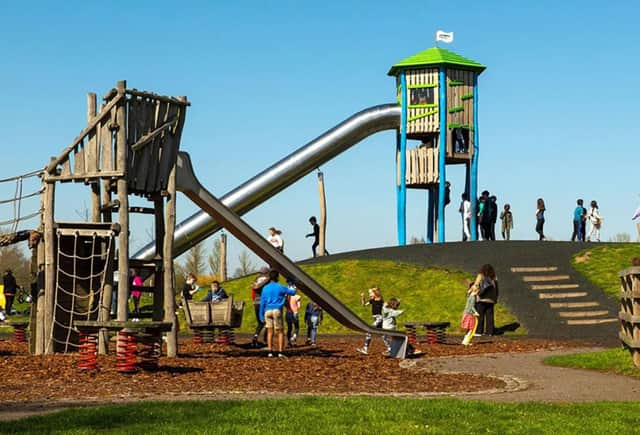
MK also offers “outstanding” green space, with almost 169 parks per 100,000 residents, and maintains one of the lowest crime rates in the ranking, say The Investors Centre experts.
Winchester ranks third despite having some of the highest property prices in the study. Average homes cost around £465,000, yet the city balances this with strong earnings and excellent employment stability. Median monthly income exceeds £2,900, while unemployment sits at just 2.7%.
Just outside the top three, Chelmsford (4th overall) ranks second nationally for happiness, scoring 7.79, while maintaining low unemployment and good access to parks and schools. Lisburn (5th overall), meanwhile, stands out for its extremely low unemployment rate of just 2% and strong GP access, ensuring healthcare remains accessible for growing families. Housing in Lisburn also remains relatively affordable compared with many cities in the ranking.
At the opposite end of the ranking sits the London, which ranks 61st overall. Despite extremely high earnings and very low unemployment, the city struggles due to its exceptionally expensive housing and lack of family-friendly space. Average property prices exceed £874,000, while parks and play areas are scarce. Combined with limited nursery availability and weaker GP access, the City of London proves far less practical for families than for professionals working in the financial district.
Lincoln and Manchester also fall near the bottom of the ranking, though for different reasons. Lincoln faces higher divorce rates and weaker employment figures, while incomes remain relatively modest despite affordable housing. Manchester, meanwhile, struggles with higher crime levels, limited nursery access, and a shortage of parks per capita. Although it offers cultural and career opportunities, the everyday infrastructure needed for raising children is less favourable.
Thomas Drury, a spokesperson for The Investors Centre, said: “Raising children is one of the biggest commitments families make, so the environment around them matters enormously. Parents want to know that their childrenare growing up somewhere safe, somewhere with good schools, and somewhere that supports family life rather than making it harder. When people think about raising a family, they often focus first on schools or house prices, but there are many other pieces that shape daily life. Access to nurseries, reliable healthcare through GPs, safe streets, and parks where children can play all contribute to whether a place actually feels family-friendly.”
He added: “Income levels and employment stability also play a huge role. Families need financial security, and living somewhere with strong job opportunities makes it easier for parents to plan long-term and provide stability for their children. Quality of life matters just as much as the numbers. Happiness levels, community infrastructure, and access to green space all influence how families experience day-to-day life. When those elements come together, they create places where children can thrive and parents feel confident about building their future.”