
Milton Keynes ranks among UK areas with biggest rise in mortgage costs
Milton Keynes has ranked amongst cities with the highest increase in mortgage costs in the last five years, according to a new study.
Buying a home has become an impossible task for many people in the UK, as property prices continue to surge year on year. But have you ever wondered which parts of the country have seen mortgage costs rise the most?

A new study by Mortgage Lane set out to discover which areas have seen the highest increase in the last five years. It looks beyond headline house prices to focus on what buyers actually feel month to month.
A total of 58 major cities and large towns across the UK were examined, comparing how average house prices and estimated mortgage repayments have changed between 2020 and 2025.
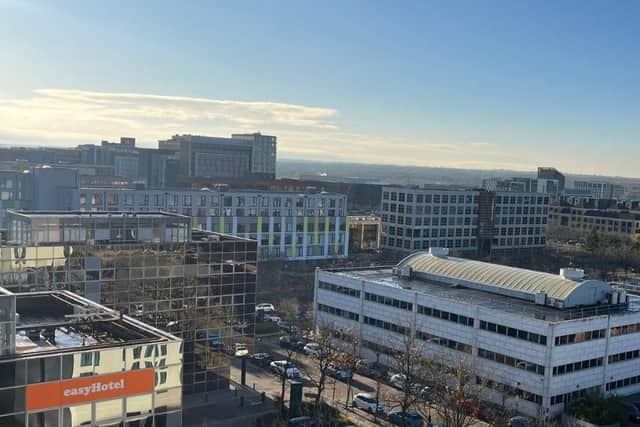
Milton Keynes ranked 16th overall. The study shows a significant rise in mortgage costs since 2020 as house prices continue to climb in the fast-growing city. The average house price increased from £192,808 in 2020 to £231,103 in 2025, pushing estimated monthly mortgage payments up from £819 to £981.
That means buyers are now paying around £163 more per month than they would have five years ago.
Meanwhile, London lands first place, recording by far the biggest increase in mortgage costs since 2020. Average house prices rose from £385,295 to £469,305, pushing estimated monthly mortgage payments up by £357, from £1,636 to £1,993.
Brighton came in runner up, as strong demand has driven prices up to £413,960 and added £314 a month to typical repayments. Bristol ranks third, with average house prices climbing to £322,067 and monthly mortgage costs rising by £282.
Bradford and Cardiff take fourth and fifth place, with monthly mortgage increases of £238 and £231. Winchester came in sixth place, where buyers now pay around £222 more per month.
At the other end of the spectrum, Southend-on-Sea, Carlisle, York, Lincoln, Canterbury, Tunbridge Wells, Birmingham, Chester and Peterborough recorded the smallest increases in monthly mortgage payments, all coming in at under £50.
Though prices have still risen in these areas, the combination of more modest growth and local market conditions has helped limit the impact on borrowers’ monthly bills.
The study analysed average property prices for each area in 2020 and 2025, using publicly available UK housing market data, including Land Registry figures and national house price indices.
Estimated monthly mortgage payments were then calculated for each city based on a consistent set of assumptions: a 20% deposit, a 30-year mortgage term, and typical five-year fixed mortgage rates.
For 2020, an interest rate of 2.6% was used, reflecting the ultra-low borrowing costs of the time, while 2025 calculations assumed a rate of 4.9%, closer to what many buyers are facing now.
By comparing the estimated monthly repayments from 2020 to those in 2025, researchers could then calculate the cash increase homeowners would now be paying each month if buying the same “average” home. Cities were ranked according to the size of that increase.
Mortgage expert at Mortgage Lane, Joseph Lane, said the results show just how dramatically the cost of borrowing has changed in a short time period. He said: “Even in areas where house price growth has been fairly steady rather than explosive, higher interest rates mean buyers are paying a lot more each month than they would have in 2020.”
He explains that ultra-low rates during the pandemic years masked the true cost of rising house prices. “Back then, cheap borrowing softened the blow of higher prices. Now that rates have normalised, the full impact is being felt, especially in expensive or high-demand cities.”
He believes that location plays a big role in how hard buyers are hit, adding that “cities with strong jobs markets, good transport links and lifestyle appeal tend to see prices rise faster, which means larger mortgages. “When rates increase, those larger loans translate into much bigger monthly jumps.”
Looking ahead, Joseph urged buyers to focus on affordability rather than headline prices alone. “It’s not just about what a home costs, but what it costs you every month. Understanding how mortgage rates and local price trends interact is key for anyone thinking about buying in today’s market.”