
Thousands of people diagnosed with dementia in Bedfordshire, Luton and Milton Keynes – as September marks World Alzheimer's Month
Thousands of people in Bedfordshire, Luton and Milton Keynes had a dementia diagnosis through the NHS as of July, recent figures show.
September is World Alzheimer's Month, which the Alzheimer's Society described as "a global opportunity to raise dementia awareness and support people affected by the disease".
The charity welcomed the increasing number of people receiving a dementia diagnosis across England, but called for "bold, ambitious action" to ensure equal access to diagnosis and care across the country.
Figures from NHS England show 7,784 people in the NHS Bedfordshire, Luton and Milton Keynes Integrated Care Board area received a dementia diagnosis as of the end of July – up 4% from 7,508 a year earlier.
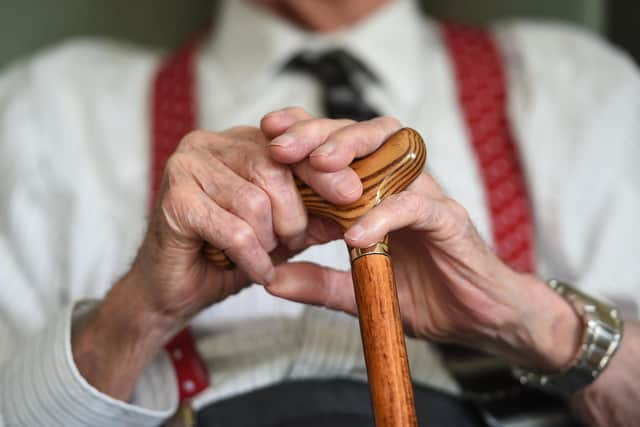

Of those, about 3,415 (44%) had been diagnosed with Alzheimer's disease.
Across England, 506,549 patients had a recorded diagnosis of dementia at the end of July.
It corresponds to about 0.8% of the population, and marked a 3% increase from 490,163 at the same point in 2024.
The largest proportion were diagnosed with Alzheimer's, at 42%. It was followed by 28% with unspecified dementia, 15% with vascular dementia, and 8% with mixed dementia types.
The figures also show just 66% of people aged 65 and older who are estimated to have dementia in England had a diagnosis recorded at the end of July. It was up from 65% a year earlier.
But this varied significantly across the country: while the highest diagnosis rate reached 76% in South Yorkshire at the end of July, the lowest was 56% in Somerset and also in Herefordshire and Worcestershire.
In Bedfordshire, Luton and Milton Keynes, this figure stood at 70%.
Tim Baverstock, head of local systems influencing at Alzheimer’s Society, said: "Behind every dementia diagnosis is a person and a family who can finally get the answers and help they need.
"That’s why it’s encouraging to see more people receiving a diagnosis, as it’s the first step towards understanding what’s happening, planning for the future, and unlocking vital care, support, and treatment."
But he called for "equal access" to dementia diagnosis and care across England, adding "without a diagnosis, people can be left to cope alone, risking avoidable crises and hospital admissions".
He explained regional variations in the diagnosis rate can be the result of differences in the number of trained staff, specialist test availability and how well-equipped local services are.
"That’s why we need bold, ambitious action, including renewed national and local targets, long-term investment in diagnostic tools and workforce, and sharing best practice so that everyone, wherever they live, has the same chance of getting an early and accurate diagnosis and the support it brings," he added.
"If you’re worried about yourself or a loved one, Alzheimer’s Society’s dementia symptoms checklist is a helpful first step in starting a conversation with your GP."
Dr Jeremy Isaacs, NHS England's national clinical director for dementia, said: "Thanks to patients and families coming forward, and the hard work of NHS staff, we have a record more than half a million people diagnosed with dementia, many of whom are living in their own homes with support from family and friends.”
If you're affected by dementia or worried about a diagnosis, please contact the Dementia Support Line at 0333 150 3456.