
Warning to HUMANS during bird flu outbreak in Milton Keynes
This article contains affiliate links. We may earn a small commission on items purchased through this article, but that does not affect our editorial judgement.
The council has issued a warning to humans to avoid catching bird flu during the current outbreak in the city.
While human infection from Avian Influenza is rare, it is still possible, particularly after close contact with infected birds.
MK is currently seeing a particularly aggressive strain of the virus and numerous swans, geese and ducks have died from it over the past couple of weeks. Other birds, including garden birds are also prone to the disease.
The Department for Environment, Food, and Rural Affairs (DEFRA) has now confirmed that wild waterfowl collected from open spaces in Milton Keynes have tested positive for avian flu.
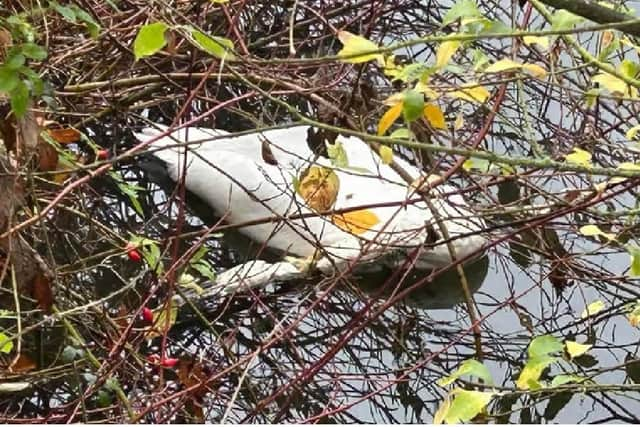

Now a spokesperson for MK City Council has warned people to avoid contact with wild birds – and that includes not feeding them.
They added: “Do not touch or move any sick or dead birds. Avoid contact with surfaces that are likely to have large quantities of droppings or feathers from wild birds. If contact has been unavoidable take sensible hygiene precautions like washing hands and cleaning footwear.
"This advice is also very important if you keep birds at home such as chickens.”
People should report sightings of dead birds to DEFRA on Gov.uk or by calling 03459 33 55 77, says the council
Meanwhile, a spokesperson for the NHS said: “You can get bird flu by coming into close contact with birds that are infected with the bird flu virus. You can also get it by touching the poo of an infected bird or an infected bird that has died.”
They said symptoms of bird flu in humans usually start around four to six days after being in contact with an infected bird.
These symptoms can be mild or severe and include a high temperature, cough, sore throat, wheezing and sneezing, shortness of breath and red, irritated eyes.
In MK, volunteers from the city’s Swan Rescue CIC have been working flat out retrieving dead bodies of birds from lakes and treating sick birds in a bid to save their lives.
Founder Allie Humphries said this week: “What’s happening out there is devastating. The losses are heavy, the work is constant, and the emotional toll is real. The team is exhausted but we keep going because the birds need us and because walking away isn’t an option.”
But she added: “It isn’t all doom and gloom right now. We’re finally seeing a few small wins and they matter more than people realise. Some of the swans we knew were hit hard by avian influenza have managed to pull through. One is left with a head tilt that might be permanent, one has lost the use of her left eye, and one seems to have made a full recovery with no lasting effects at all. There will be more survivors out there that we haven’t been able to keep track of, but these three were birds we knew well before the virus reached their lake, so seeing them survive has meant a lot.
“On one of the lakes, things look like they might be settling. We haven’t had any new deaths or infections for a week, which gives us a bit of hope. That said, we’re not relaxing anything. Full AI protocols stay in place because this virus doesn’t give second chances.”
Allie has thanked the public for their support, particularly those who have sent disinfectant and money for volunteers to buy PPE..
“The support from the public has genuinely helped keep us upright through all of this. The messages, the donations, the supplies, the patience, the understanding when we can’t respond instantly, the kindness from people who know how hard this has hit us and still appreciate what we’re trying to do. It all makes a difference and we don’t take any of it for granted,” she said.
“Our rescue work depends on your kindness. With your support, we can keep responding whenever swans need us.”
If you’re in Milton Keynes and would like to volunteer, please email [email protected].