
20 Years Round the Bend: Caldecotte Miniature Railway Turns 20
In 2005, three volunteers ran a single straight track back and forth across an empty field in Caldecote. 20 years later, that field has two railways, four gauges, and a waiting list of children who call the drivers by their first names.
Through recession, referendum and pandemic, volunteers kept the railway running. Their dedication transformed a quiet stretch of grass beside Caldecote Lake into one of Milton Keynes' most cherished community attractions.
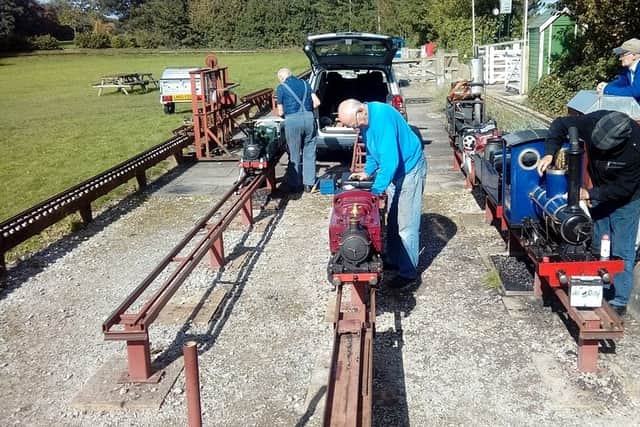

Andrea Webb, one of the founding members, still marvels at how it all started. “I find it difficult to believe that 20 years ago the Society took over a totally empty area,” she says. The Milton Keynes Model Engineering Society laid that first track, high off the ground, and ran it with just three volunteers. There was no oval, no ground-level line, no queue of small faces waiting their turn. There was only the idea.
That idea has since become one of Milton Keynes’ best-kept secrets; a hidden gem tucked behind a pub and a playground, easy to miss and impossible to forget once found. Today, the railway has two lines across four gauges, built and maintained by members with a shared love of engines and, as Andrea puts it, by the joy they saw so plainly on children’s faces.
For Bob James, who joined in 2008 after a career with British Rail, the railway’s real engine has always been its people. Two crews keep it alive: a small band of engineers headed by site engineer, Dave Waters who meet every Thursday, maintaining locomotives and track out of public view, and the Sunday running team; ticket sellers, guards, signalmen, drivers who greet the regulars by name. “Hello Bob,” children call out as they arrive, before peppering him with questions about why one of the engines isn’t running that day. Now in his 80s, Bob still hasn’t missed a beat.
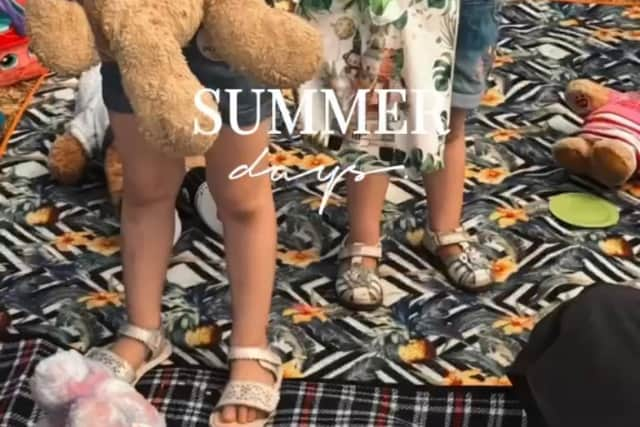
But it’s Andrea (publicity and events director) who gave the railway one of its gentlest traditions. Noticing that toddlers grew cranky during delays, she began setting soft toys along the trackside; a teddy bears’ picnic, always shy, always hiding. One Sunday she forgot to put them out, and a small boy, undeterred, went looking anyway. He found them tucked inside the engine shed and returned triumphant, having solved the mystery himself.
Ask Andrea what the railway has meant most, and she recalls a specially built wheelchair carriage, sponsored by Parents and Carers Alliance MK (PACA), carrying a young man who could not move his limbs unaided. As the train pulled away, she watched his eyes light up with pure joy.
That instinct runs through the railway’s whole history. There was the year Pudsey Bear came to visit, when volunteers ran trains for 24 hours straight, covering some 200 miles in aid of Children in Need. There have been Halloween evenings, and Santa weekends where the railway has built close relationships with local schools including autistic and special needs children.
For some visitors, the railway has become part of their family story too. MK resident, Tessa Holden recalled a memorable ride with younger family members to celebrate her brother’s 60th birthday. “It’s great fun and very well run,” she said, offering to share photographs from the occasion. Another family memory added to the railway’s 20-year journey.
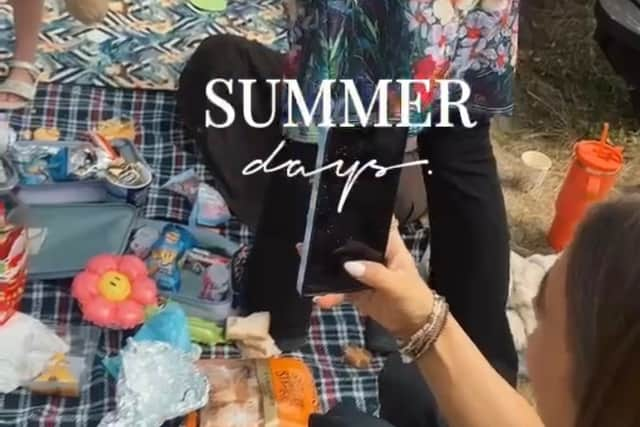
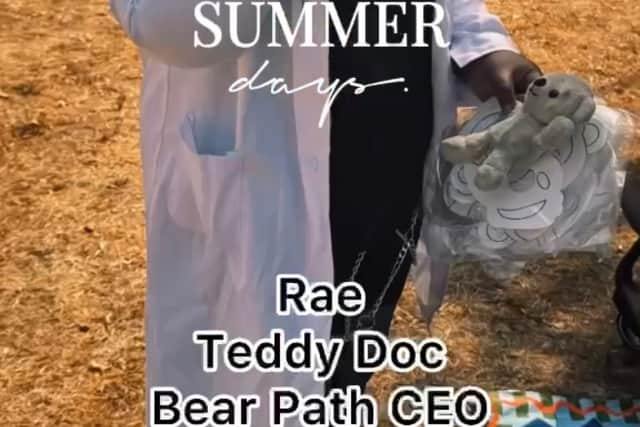
Today, that same instinct has brought Andrea’s teddy bears back for something new. This year, to mark the 20th anniversary, the railway has partnered with The Bear Path Project, a registered community focused enterprise built around PATH: People, Art, Togetherness, Healing, to host a Teddy Bear Picnic at the track, reviving Andrea’s original idea on a much bigger scale. Families were invited to bring their own bears along for the ride. “There’s something quietly powerful about a place like Caldecote,” says Rachel Agaba-Rae, founder of The Bear Path Project. “It’s not trying to be anything other than what it is — a group of volunteers giving up their Sundays because they love it, and because they’ve seen what it means to a child. When Andrea told me about the teddies hiding by the engine shed, I knew straight away this was a story about healing, just as much as it was about trains.”
From trainee to steam driver:
At just 16, Jenson is already part of the next generation keeping the railway alive. He joined the railway as a member in 2021, starting with the basics: clipping tickets, signalling trains in and out of the station and learning the hand signals needed to move rolling stock safely around the yard.
Once he had mastered those roles, Bob began training him to drive the railway’s petrol locomotives, initially without passengers before progressing to public running. Then came the harder-earned skill: steam.
Learning to drive a steam locomotive means understanding far more than simply how to control the engine. Jenson learned how to prepare and dispose of the locomotives, oil the moving parts, fill the boiler and tender, build the fire and understand the machinery well enough to identify problems and carry out repairs. Eventually, with his instructor behind him, he took his first turns around the track.
Jenson is now one of the railway’s main steam drivers and looks after several of its locomotives. More remarkably, he has already begun passing those skills on to younger members, starting them on the same journey he took himself. “It’s a perfect example of generational training,” he says. The boy who arrived in 2021 to learn how to clip tickets is now helping teach the next generation how to drive steam engines. Under the chairmanship of Ron Bailes, the railway’s future rests, as it always has, on the next generation of volunteers working side by side with the pioneers.
20 years after three volunteers laid a single length of track across an empty field, Caldecote Miniature Railway remains powered by the same simple idea: giving people joy.
Today, children still arrive searching for Andrea's hidden teddy bears, still call Bob by name and still dream of one day sitting behind the controls of a steam locomotive themselves.
Some of them will.
And if the last two decades are anything to go by, the railway's next chapter is already waiting on the platform.