
Selling your home: 5 hidden problems that could dramatically reduce your house price - and how to combat them

They could wipe thousands of pounds from the value of your home
- Hidden problems could be quietly eroding the value of your home
- They may only come to light when potential buyers take a closer look
- But there are steps you can take to protect your property
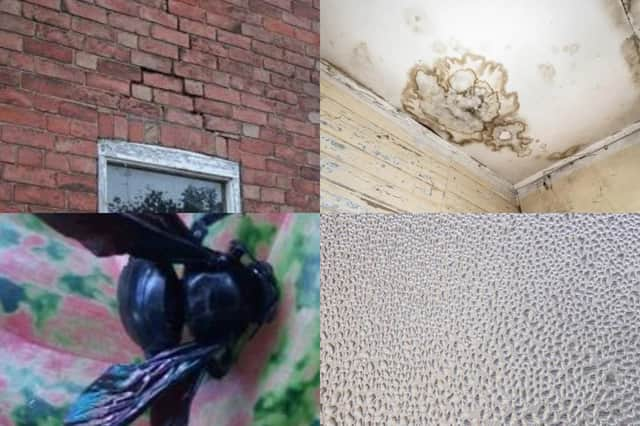

You may think your home is in good condition, but hidden problems could be quietly eroding its value.
These issues sometimes only come to light when your property goes up for sale.
A property care expert has shared some of the most common problems and explained the simple steps you can take to protect your home.
George Edwards, managing director of Timberwise, a UK-wide property care specialist, says many sellers underestimate how closely buyers scrutinise the condition of a property, especially in a competitive market.
George said: “Most people can’t afford to move until they’ve secured a buyer. That means anything which delays a sale or leads to renegotiation can cost thousands.
“Addressing key property issues early is one of the most reliable ways to protect, and even increase, your home’s value.”
Below are five common property care issues George says are most likely to drive prices down if left unresolved.
Damp and mould
“Damp and mould are among the most common, and most damaging, problems uncovered during property surveys.
“Beyond their unpleasant appearance and smell, they can raise serious health concerns, particularly around respiratory conditions.
“From a buyer’s perspective, damp signals risk. They worry about structural damage, ongoing costs and whether the issue has been properly treated.
“Poor ventilation, leaking pipes, defective guttering and structural defects are frequent causes. Kitchens, bathrooms, basements and window reveals are especially vulnerable.
“While small patches of mould can sometimes be managed with improved ventilation or dehumidifiers, underlying damp problems usually require professional diagnosis and treatment. Left unchecked, they can worsen, and significantly reduce a buyer’s confidence.”
Timber decay and wood-boring insects
“Rotten timbers or signs of wood-boring insects such as woodworm can be a major red flag during surveys.
“Timber is the backbone of many UK homes. If buyers suspect rot or infestation, they immediately think about costly repairs to floors, roof structures or joists.
“Early signs include spongy floorboards, cracked timber, or small exit holes in wood. While not all infestations are active or serious, uncertainty alone can lead buyers to reduce offers or walk away entirely.
“Professional inspections can confirm whether treatment is needed and provide reassurance to potential buyers.”
Poor energy efficiency
“With energy bills still high, buyers are paying closer attention to a property’s Energy Performance Certificate (EPC) rating.
“Older homes with poor insulation, single glazing or inefficient heating systems are often seen as expensive to run. That perception can weaken a seller’s negotiating position.
“Simple upgrades such as loft insulation, draught-proofing and modern heating controls can make a noticeable difference.
“Energy efficiency improvements don’t just lower bills, they help buyers feel confident about the long-term affordability of the home.”
Structural movement and cracking
“Cracks in walls or ceilings are often dismissed as cosmetic, but buyers, and surveyors, tend to take them seriously.
“Even minor cracking can spark concerns about subsidence or structural movement. If those concerns aren’t addressed, they can delay or derail a sale.
“While many cracks are harmless and caused by natural settlement, professional assessment can distinguish between cosmetic issues and genuine structural risk, providing clarity before buyers raise questions.”
Neglected external maintenance
“First impressions matter. Poorly maintained brickwork, damaged pointing, blocked gutters or rotting fascias suggest neglect and potential hidden problems.
“External defects imply what buyers can’t see may be worse. Keeping on top of routine maintenance protects both your property and its value.
“Addressing these issues early can help sellers avoid last-minute price reductions and ensure a smoother sale.
“Looking after your property isn’t just about repairs, it’s about confidence. When buyers feel reassured, they’re far more willing to pay what a home is truly worth.”