
More scanners in East of England to help catch cancer sooner - including one at Milton Keynes hospital
Hospitals are also benefiting from the roll out of new AI technology, helping to deliver over one million extra diagnostic scans
NHS patients in the East of England are set to benefit from faster testing for serious conditions such as cancer, with CT and MRI scanner numbers increasing by 14 across trusts in the region between March 2024 and March 2026.
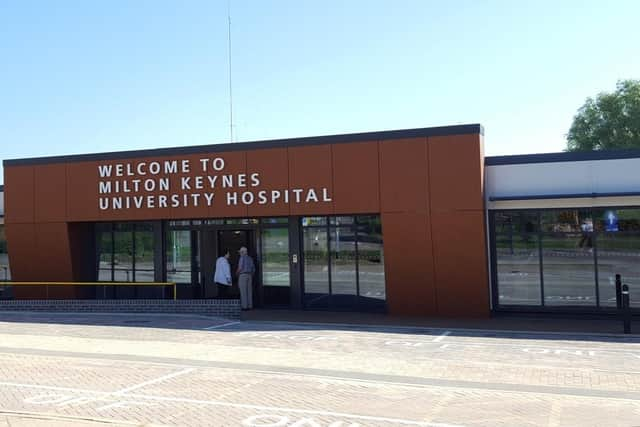
Milton Keynes University Hospital was one of the six trusts to benefit, with one scanner being installed in the hospital.
The expansion gives doctors greater capacity to diagnose cancer and other serious conditions earlier and get patients into treatment sooner.
The increase comes as part of a national net rise of 125 CT and MRI scanners between the same timeframe, according to NHS England’s National Imaging Data Collection.
So far in 2026, each month has set a new NHS record for diagnostic activity, with the diagnostic waiting list having fallen in three of the five months since April.
Cancer waiting times have fallen since last year, and the overall waiting list for elective care is down by over 250,000 since July 2024.
CT and MRI scanners are a vital part of diagnosing cancers including lung, brain, breast and prostate cancer.
More scanners mean more patients can get the tests they need sooner, reducing waits and helping speed up diagnosis and treatment.
Minister of State for Health Karin Smyth said: “Getting the right diagnosis and treatment as quickly as possible can make all the difference, particularly for patients with cancer and other serious conditions.
“That’s why, in the face of record demand, we are expanding NHS capacity and using new technology to help more people get the tests and care they need.”
Alongside the new scanners, AI-powered MRI technology is being introduced across the NHS, helping services carry out on average 14% more scans while maintaining image quality.
The technology is helping hospitals create thousands of extra appointments and allowing patients to spend less time in scanners.
The 125 new scanners and rollout of AI technology are helping deliver over a million extra scans.
Professor Peter Johnson, NHS England’s national clinical director for cancer, said: “Waiting for test results can be an anxious time for anyone worried about cancer, so receiving answers sooner can make a real difference.
“By increasing access to scans and using technology to help clinicians see patients faster, the NHS is making it easier for people to get checked quickly and closer to home at a time that suits them.
“The earlier cancer is diagnosed, the more treatment options there are and the better the chance of a successful outcome for patients.”
AI acceleration software has already been installed in more than half (54%) of compatible NHS MRI scanners. The software speeds up scan times as it needs less data to achieve a high-quality image.
The saved time can be used to get more patients through each machine per day, meaning the NHS can take on more MRI appointments.
Every NHS trust in the country will be given the opportunity to upgrade compatible MRI scanners by 2029. A full rollout would enable existing equipment to deliver up to 162,000 more checks per year.
Dr Stephen Harden, President of the Royal College of Radiologists, said: “Demand for diagnostic scans is rising, so it is vital we have the equipment and workforce to scan, diagnose and treat patients efficiently and safely.
“We are pleased to see the government continue to roll out newer and AI-enabled scanners that are helping to scan more patients and providing the images radiologists analyse.”