
Bletchley ranked in top 10 for places worst affected by temperatures considered unsafe for youth sport
Bletchley has been ranked among the top 10 for places worst affected by temperatures which are considered unsafe for youth sport.
Analysis by Round our Way, a not-for-profit organisation which shares stories about the impact of climate change on communities, identified more than 100 towns and cities which now average at least one week each year above 27C.
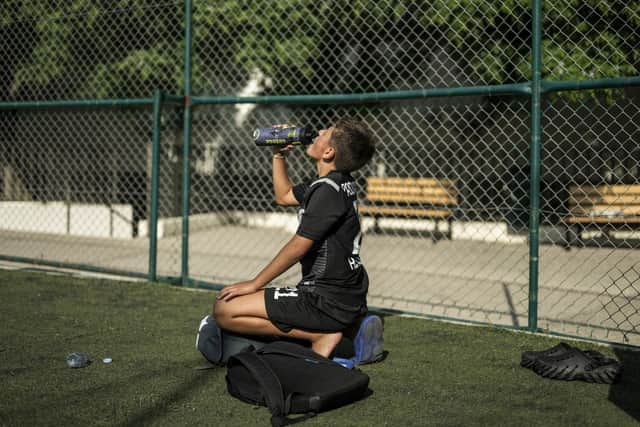
Temperatures above 27C are widely associated with an increased risk in heat-related illness in children during strenuous exercise.
The research examined temperatures in 250 towns and cities between May and September over the past five decades.

Bletchley finished tied sixth with 12 days in which temperatures were observed above 27C between 2020 and 2025.
It is joined by Aylesbury, Bracknell, Hemel Hempstead and High Wycombe on this total, with all these locations seeing an increase of 11 days of weather of at least 27C compared to 1970-1974.
In Bletchley there were four days of temperatures at 27C or higher between 2000-2004, which rose to eight between 2015-2019.
Cambridge tops the standings with 14 days of 27C+ weather between 2020-25, followed by Bedford, Dunstable, Luton and Stevenage, who all recorded 13 days.
Round our Way cited Milton Keynes Youth and Adult Football Club’s weather policy as part of its findings, with the club saying that when temperatures are over 27C “there is a high risk for heat-related illness”, and that training should be limited to one hour with “no high intensity or additional conditioning allowed.”
The club’s policies also state that no outdoor training, or indoor training without air conditioning, should take place when temperatures should exceed 29C, while junior matches will be rescheduled or postponed if the temperature at kickoff is forecast to be 32C or higher for junior matches.
Speaking about the findings, co-director of Round our Way Roger Harding said: “The dangerous extreme heat caused by climate change is affecting every aspect of children’s lives in the UK, from missed school days and overheated homes to cancelled sports training and matches.
“This analysis shows that we must do far more to protect children’s health. That means cutting our reliance on fossil fuels to limit future warming, while investing in the schools, sports facilities and public spaces so we can better protect children when it gets hot.”