
Thames Valley charity publishes free school holiday mental health guide for parents of neurodivergent children
A Thames Valley mental health charity has published a free guide for parents of neurodivergent children who might require additional support during the school holidays.
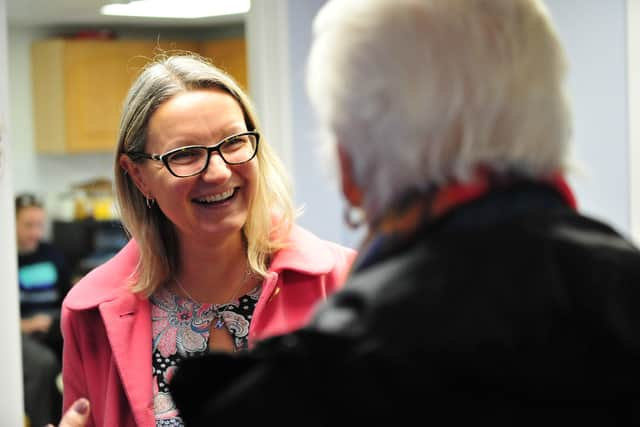

Response – the region's largest independent mental health charity – has launched a free guide which deep dives into how young people can minimise anxiety and balance emotional regulation during the six-week break.
The charity supports adults with serious mental illness through a supported housing model alongside a community hub in Thatcham, West Berkshire, aimed at early intervention services for young people aged 11-25.
Each year, Response works with more than 750 adults and young people through supported housing, tailored support programmes and specialist services that help people aged 11 upwards live their lives to the full.
The guide is aimed at offering support ideas during the summer holidays, a time the charity says can lead to a loss of structure, changes to routine and burnout for schoolchildren following the completion of term which can heighten anxiety and sensory overload.
After announcing its newest wellbeing hub already has a waiting list of more than a year, Response is now encouraging parents to make use of its free online resources.
Other guides focusing on sleep, social media, starting university and coping with change have also been released.
Nicola Leavesley, CEO of Response, said: “The summer holidays represent perhaps the most exciting six-week period of the year for many young people.
“Regrettably, not every person will share that enthusiasm.
“The loss of structure and purpose which comes with being in a school environment can be challenging for some young people to manage.
“Parents and carers might find those they are looking after withdraw from certain situations or have heightened feelings of anxiety due to a changing routine – it really does vary from person to person, and no two cases are the same.
“Demand for our services has reached a critical point, so we encourage parents to make use of these guides which will be especially useful during any school break.”
A government report published in 2025 estimates one in seven children in the UK are neurodivergent.
Young people who are autistic, have ADHD or are dyslexic can often face heightened anxiety, exhaustion or low confidence as result of navigating school environments which do not cater to their needs.
Nicola added: “Every young person should be afforded the opportunity to be the best version of themselves.
“There is a requirement locally to add capacity to our youth services to meet demand and ensure as many young people as possible can access the support they require in an efficient manner.
“Until our supply can meet growing demand, free online resources are the next best solution we can provide.”
Response’s guide for parents of children who are neurodivergent can be downloaded for free online via www.response.org.uk/mental-health-resources/.