
GCSEs and A Levels 2025: Expert's 5 top tips for moving forward after an exam goes wrong

Sometimes, exams just don't go how you might have hoped 😟
- There are still a few weeks of GCSE and A Level exams to go
- For some students, one or more of their papers so far might not have gone to plan
- But an education expert says it’s important not to panic
- He recommends students keep looking forward to their nest step - taking time for self care if they need it
No matter how prepared we might think we are for something, life can throw us a curveball - sometimes in the form of an unexpectedly tricky exam paper.
The 2024/25 school year’s summer GCSE and A Level exam series is at long last nearing its end, although there are still some key papers coming up before it ends on June 25. From university offers to sixth form subjects, there can be a lot riding on a student’s results, and that can mean they’re under a lot of pressure.
Sometimes, exams just won’t go to plan, and it can be all too easy for students to get swept up in negative feelings as they leave the exam room. But whether they’ve got another exam right around the corner or they’re facing the months-long wait until results day, dwelling on a test that didn’t go quite right is no help - and will more likely just lead to stress and anxiety.
Leo Carr, founder of new A Level revision platform Study Dog, shared with us some of his expert tips on what to do if you or the young person in your life’s exam doesn’t go to plan. Here’s his advice:
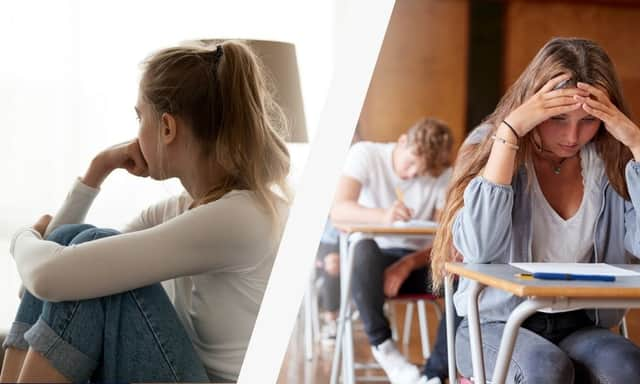

How to cope and move on after an exam goes wrong
1. Avoid comparing answers with your classmates after your exam
When everyone is riled up in the aftermath of a particularly tricky exam, it’s natural to want to compare answers with friends or classmates to find out if you were on the right track. But if you or the young person in your life feel particularly nervous about how they’ve done, Mr Carr advises they avoid this kind of talk.
“It may be tempting to discuss your answers with your peers, but this can further increase your anxieties if your answers differ greatly,” he said.” Remember that they can make mistakes too, and sometimes you may be worrying about an answer you got right, but they didn’t. Be sure to stay in your lane, remember that your answers affect only you, and do not compare yourself with others.”
2. Don’t dwell on the mistakes
Mr Carr said that after an exam that went badly, it’s important to recognise that it’s now over, “and thinking about what you could have changed or answered won’t make a difference to the outcome that you get”.
Instead, he suggested looking forward by focusing on the next steps. “It’s best to put together a plan as to how to move on and prepare for any upcoming papers you may have. Dwelling on mistakes can hinder performance in future exams, so be sure not to accept defeat, pick yourself up and get ready for the next papers.”
Whether your child is revising for GCSEs or just starting to prepare, structured resources can make a big difference to confidence and outcomes.
Pearson Revise offers curriculum-mapped revision guides and workbooks designed to support students through every stage of exam prep — from topic recall to exam-fit practice.
👉 Explore Pearson’s GCSE revision resources and find the right support for your learner.
3. Take some time for yourself
If things haven’t gone to plan, don’t be afraid to take some time out for self care. “It’s really important in times of stress and anxiety to look after both your mental and physical health,” he continued.
“The two go hand-in-hand with each other, so taking some time to be mindful after an exam and doing some exercise will help to level your head so you can begin to plan for any upcoming exams you are sitting.”
4. Seek advice from teachers
Once the initial feeling of dread has passed and you’re ready to start looking at your next steps, talking to someone with some expertise on the matter can be helpful. Mr Carr suggested trying a trusted teacher.
“Your teachers are always on hand to help if you have any questions about your exams, and they will be happy to provide advice on any upcoming papers,” he added. “Be sure not to steer the conversation towards the mistakes you may have made, but how you can use these to your advantage to adapt your learning and revision to achieve the best outcome you can.”
5. Adapt your study plan
Finally, take a look at what you or your child can do to avoid their next exam from going wrong too. Brainstorming what could have helped the last test to go better, and then revisiting their revision plan to factor this in could make a big difference.
“Perhaps you didn’t analyse or evaluate your essay to your satisfaction in the exam, or maybe you need to go back over content from a while ago,” Mr Carr said. “Be sure to take stock of your internal feedback to adapt your study plan. Acknowledging where you can improve and making a plan to use it for your benefit is the best way forward and will help you in your upcoming papers.”
If you have an education story to share, we’d love to hear from you. You can now send your stories to us online via YourWorld at www.yourworld.net/submit. It's free to use and, once checked, your story will appear on our website and, space allowing, in our newspapers.