
Pagrav Dance Company's Urja Desai Thakore shares her vision for dance in Milton Keynes
As Artistic Director of Milton Keynes-based Pagrav Dance Company, acclaimed choreographer Urja Desai Thakore combines a passion for Kathak with a commitment to nurturing talent and championing the city’s creative potential.
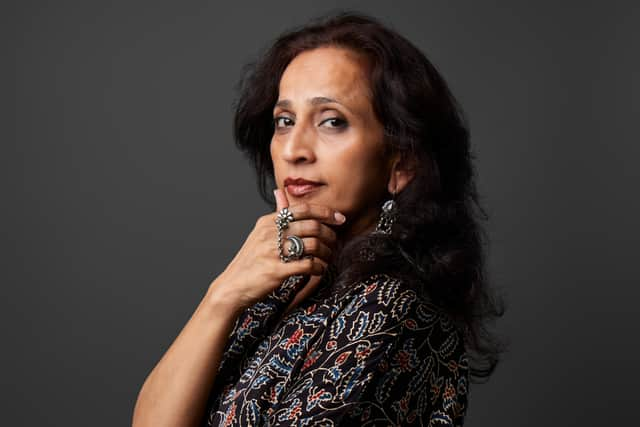

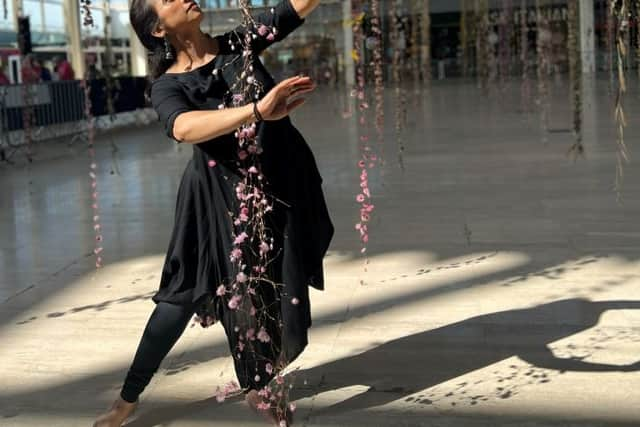
One of the UK’s leading practitioners of the classical Indian dance form, Urja brings its rich storytelling and intricate rhythms to contemporary work. In this interview, she shares her ambitions for dance in Milton Keynes, reflects on inspiring the next generation and explores how artists can help shape the future of the arts.
From your experience leading Pagrav Dance Company, what needs to change so that artists from different backgrounds and traditions have more say in how the arts are run?
We need to move beyond inviting artists into a conversation and give them real influence over its outcome. That means sharing authority over funding, programming and the criteria by which artistic quality is judged.
Leading Pagrav has shaped my belief that there are many ways to build artistic knowledge, develop talent and connect with audiences. Our institutions should be curious about those differences, rather than expecting everyone to follow the same route to recognition.
I would like to see more practising artists involved in decisions, with their time paid and their expertise respected. Representation matters, but it must come with responsibility and power. A more democratic cultural sector begins when people can help shape the conditions in which they work.
What makes Milton Keynes an exciting place to create dance, and what would help its artists gain greater national recognition?
What excites me about Milton Keynes is the possibility of helping shape its cultural identity. I see an opportunity to make dance part of how people encounter one another, understand their surroundings and imagine the place they share.
For me, the ambition is to create work rooted here that can also speak to audiences elsewhere. Local relevance and international ambition can strengthen each other.
Greater national recognition needs sustained investment in artists: space to rehearse, time to develop ideas, opportunities to present work and relationships with national venues and producers. I would like Milton Keynes to be recognised as a place where significant work originates. That requires confidence in its artists, and support that lasts beyond a single event or project.
How local councils support communities while giving artists the freedom to try new ideas and work internationally?
I think councils can begin by recognising that artistic freedom is itself a public good. Supporting communities should include giving people access to work that surprises them, challenges them and opens up unfamiliar perspectives.
The strongest relationship would combine clear public responsibilities with trust in artistic judgment. Councils can provide affordable space, sustained funding and connections with communities, while allowing artists to decide how their ideas develop.
International exchange belongs within that approach. It can bring fresh questions and relationships into local cultural life, while allowing local voices to travel.
I would like success to be assessed through artistic development and the quality of relationships, alongside attendance. Some valuable work takes time to find its audience; public support should make room for that.
How do you draw on Kathak’s traditions when creating new work and teaching the next generation of dancers?
I draw on Kathak as a way of thinking as much as a movement language. Its rhythm, storytelling, musicality and attention to detail shape how I create, even when the subject or structure of a work is contemporary.
In teaching, I want dancers to understand the foundations deeply enough to make thoughtful choices of their own. Technique matters, but so do curiosity, listening and the ability to ask why something is done in a particular way.
My own teaching has developed through observing my teachers and listening to my students. That exchange keeps the tradition alive. I feel a responsibility to pass on both knowledge and the confidence to question it, so the next generation can contribute with understanding, imagination and an individual voice.
What have you learnt about supporting the people you work with at Pagrav, and how can the wider arts sector make this a bigger part of its approach to leadership?
At Pagrav, I have learnt that supporting people requires attention to the individual. People bring different ambitions, responsibilities and capacities to their work; the same approach will not serve everyone equally.
For me, care includes honest conversations, clear expectations and boundaries. It means creating room for someone to grow while being clear about what the work requires and what the organisation can realistically offer.
I would like the wider sector to make this part of how leadership is assessed and funded. Budgets and schedules should allow for mentoring, reflection and proper communication. We should ask how people experienced making the work, alongside what the work achieved. Artistic ambition needs people who feel respected and able to contribute; sustaining those conditions is a leadership responsibility.