
Milton Keynes runner, 40, survives cardiac arrest thanks to clubmates: “I had no warning signs, no pain - nothing"
A man from Milton Keynes who survived a cardiac arrest while on a run is urging people to learn CPR and ensure defibrillators are registered on the UK’s national defibrillator network, The Circuit.
Chris Poole, a security engineer who had been running regularly for more than a decade and completed marathons, collapsed without warning during a tempo training session with his running club, Redway Runners. It happened earlier this year, and he says the experience has completely changed his life.
Chris had just returned from holiday and almost skipped the session because he felt tired. His wife persuaded him to go - a decision he now believes helped save his life.
After completing a warm-up mile, Chris collapsed shortly before the main session began. A run leader from the club, who had recently had CPR training, immediately called 999 and began chest compressions.
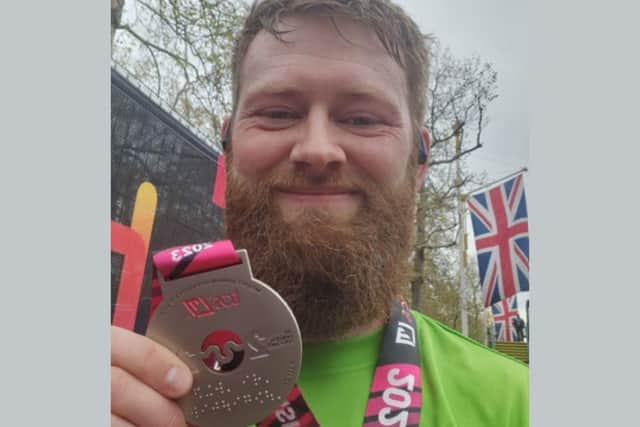

Another club member ran to collect a defibrillator from a nearby gym which was registered on The Circuit - the UK’s national defibrillator network that sends reminders to help keep defibrillators records updated and devices ready for emergency use. An air ambulance, road ambulance and police all arrived within minutes.
The Circuit provides the NHS ambulance services with vital information about defibrillators across the UK so that in those crucial moments during a cardiac arrest, they can be accessed quickly to help save lives.
Speaking about his experience, Chris said: “One moment I was standing there waiting to start the session, and the next thing I knew, I woke up in hospital days later. I had no warning signs, no pain - nothing.”
Chris was resuscitated using CPR and defibrillator shocks before being taken to Oxford’s John Radcliffe Hospital, where he spent almost 50 days in hospital, including time in a medically induced coma.
“It’s terrifying to hear what happened to you when you weren’t conscious for any of it. I survived because people around me knew what to do, CPR started immediately, and there was a defibrillator close by. If just one of those things hadn’t been in place, I might not be here.”
Doctors later confirmed Chris had suffered a cardiac arrest caused by acute myocarditis, leading to heart failure. Having had no idea or indication of a heart problem before, he now lives with an implanted cardioverter defibrillator (ICD) and will need lifelong medication.
Chris went from running several times a week to being told he might never run again.
He added: “Running was how I coped with life’s stresses and anxieties - how I relaxed, socialised and felt like myself. Losing that has felt like losing a part of who I am. I’m grateful to be alive, but I’m also learning how to live again.”
Chris returned home at the end of March and has only recently been cleared for gentle walks. Last month, he completed his first official parkrun since the cardiac arrest - walking the course alongside friends who helped save his life.
He said: “I'm focused on getting back to running, and one day I hope to stand on another marathon start line knowing I've overcome the biggest challenge of my life."
According to the British Heart Foundation (BHF), fewer than one in 10 people survive an out-of-hospital cardiac arrest in the UK. Early CPR and access to a defibrillator can more than double the chances of survival.
Simon Dunn, Head of Circuit Operations at the BHF said: “Chris’ story is a powerful reminder that cardiac arrest can strike without warning - even in people who are young, fit and seemingly healthy.
“His survival depended on a chain of events happening quickly: people recognising a cardiac arrest, starting CPR immediately and using a defibrillator before emergency services arrived.
“That’s why it’s vital that defibrillators are registered on The Circuit and that as many people as possible feel confident stepping in during an emergency. Every minute without CPR and defibrillation reduces the chance of survival, and too many people still don’t get the help they need in time.”
Chris is now urging communities, gyms, workplaces and organisations to register defibrillators on The Circuit and encouraging the public to learn CPR, which can be done for free in just 15 minutes using the charity’s online tool, RevivR.